
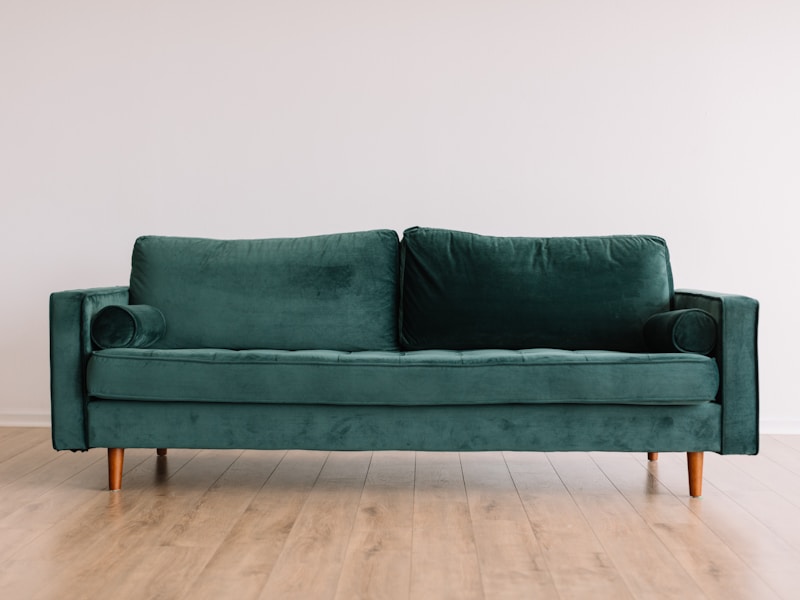
Explore why mid-century modern furniture continues to dominate interior design and how to incorporate it into your home.
Mid-century modern design, originating from the 1940s through the 1960s, has experienced an extraordinary resurgence in popularity. Its clean lines, organic curves, and focus on functionality make it as relevant today as it was decades ago.
The movement was born from a post-war desire for simplicity and accessibility. Designers like Charles and Ray Eames, Eero Saarinen, and Hans Wegner created pieces that were both beautiful and mass-producible. Their work democratized good design, making stylish furniture available to everyday households.
Key characteristics define mid-century modern furniture. Tapered legs, whether on sofas, chairs, or tables, create a sense of lightness and visual openness. Natural wood tones, particularly walnut and teak, bring warmth without heaviness. Geometric shapes and gentle curves balance each other throughout the design language.
Upholstery in mid-century pieces tends toward bold yet sophisticated choices. Mustard yellow, burnt orange, olive green, and teal appear frequently on cushions and seating. These colors complement the warm wood tones that anchor the style.
Mixing mid-century modern with contemporary elements creates dynamic interiors. Pair a classic Eames lounge chair with a modern minimalist sofa. Place a vintage credenza beneath a contemporary art piece. This blending prevents spaces from feeling like period recreations.
Authentic vintage pieces carry premium prices but offer genuine craftsmanship. Reproductions provide accessible alternatives at various quality levels. Research carefully to find reproductions that honor original designs in materials and construction.
The style works in spaces of all sizes. Its emphasis on clean lines and elevated furniture creates visual spaciousness even in smaller rooms. Strategic placement allows pieces to breathe, maintaining the airy quality central to the aesthetic.
Related Articles

Modern Minimalist Living Room Design
Discover how to create a stunning minimalist living room that combines functionality with elegant simplicity.

Complete Guide to Outdoor Furniture Selection
Everything you need to know about choosing durable and stylish outdoor furniture for your patio or garden.

Essential Furniture for Your Home Office
Create a productive and comfortable workspace with these must-have furniture pieces for your home office.