
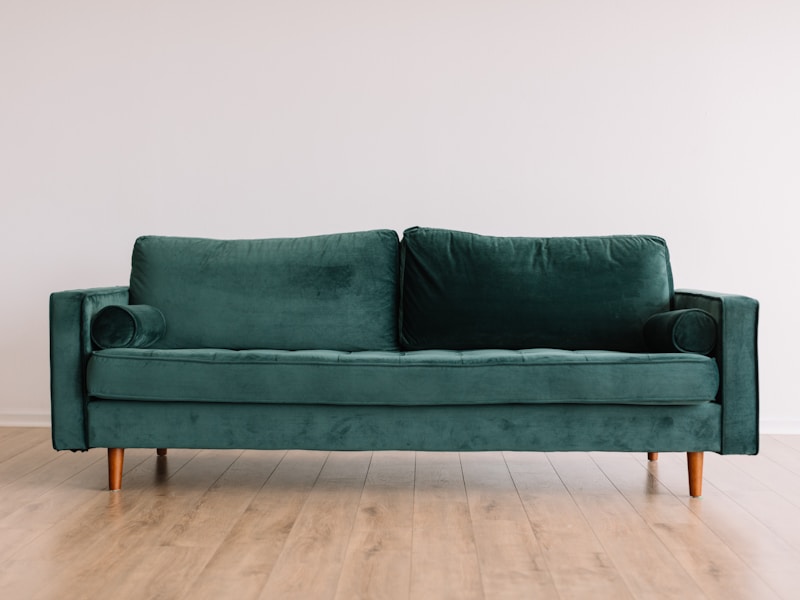
Create a safe, stimulating environment for children with furniture that grows with them and prioritizes safety.
Furnishing children's rooms requires balancing safety, functionality, and fun. The right furniture choices create spaces where kids can play, learn, and rest safely while expressing their personalities.
Safety is paramount when selecting children's furniture. Look for rounded edges and corners to prevent injuries from falls and bumps. Avoid glass or sharp metal components. All furniture should meet current safety standards with proper certification labels.
Secure tall furniture to walls using anti-tip straps or brackets. Children climb instinctively, and unsecured dressers, bookcases, and wardrobes pose serious tipping hazards. This simple precaution can prevent tragic accidents.
Choose furniture appropriate for your child's age and size. Toddler beds sit low to the ground for safety, while bunk beds suit older children who can safely navigate ladders. Ensure chairs and desks are properly sized – feet should rest flat on the floor for good posture.
Storage solutions teach organization while controlling clutter. Low, open shelving allows young children to access and put away toys independently. Labeled bins make cleanup easier and more engaging. As children grow, introduce drawers and closed storage for privacy.
Multi-functional furniture maximizes space efficiency. Beds with built-in storage drawers reduce the need for additional furniture. Desks that adjust height grow with children from elementary through high school, providing better long-term value.
Durability matters in kids' furniture. Choose solid construction that withstands rough play and frequent use. Water-resistant or easy-to-clean finishes handle inevitable spills and accidents. While children's furniture often costs less than adult pieces, quality choices last through multiple children.
Involve children in furniture selection when age-appropriate. This teaches decision-making skills and ensures they'll actually use and enjoy their space. However, steer them toward timeless choices rather than character-themed pieces they'll quickly outgrow.
Create designated zones within the room – sleeping area, play area, and study space. This organization helps children understand different activities happen in different spaces, promoting better focus and rest.
Related Articles

Modern Minimalist Living Room Design
Discover how to create a stunning minimalist living room that combines functionality with elegant simplicity.

Complete Guide to Outdoor Furniture Selection
Everything you need to know about choosing durable and stylish outdoor furniture for your patio or garden.

Essential Furniture for Your Home Office
Create a productive and comfortable workspace with these must-have furniture pieces for your home office.